INDIAN ECONOMICS. INSTITUTIONAL PERSPECTIVE.THE OCTOBER EDITION · 9 OCTOBER 2026
KIWARONotes
The story behind
the business consequence.
THE INSTITUTIONAL EDITION9 October 2026
Payments

UPI’s fee: who pays, and who is paid

National Payments Corp. of India, which runs the network, aims to recover ₹13,000 crore to ₹15,000 crore in the first year, about four-fifths of it from merchants collecting over ₹1,000 crore a year. The court has asked the government what the charge legally is.

ANALYSIS7 min read
Market structure

Two ways to settle a derivative

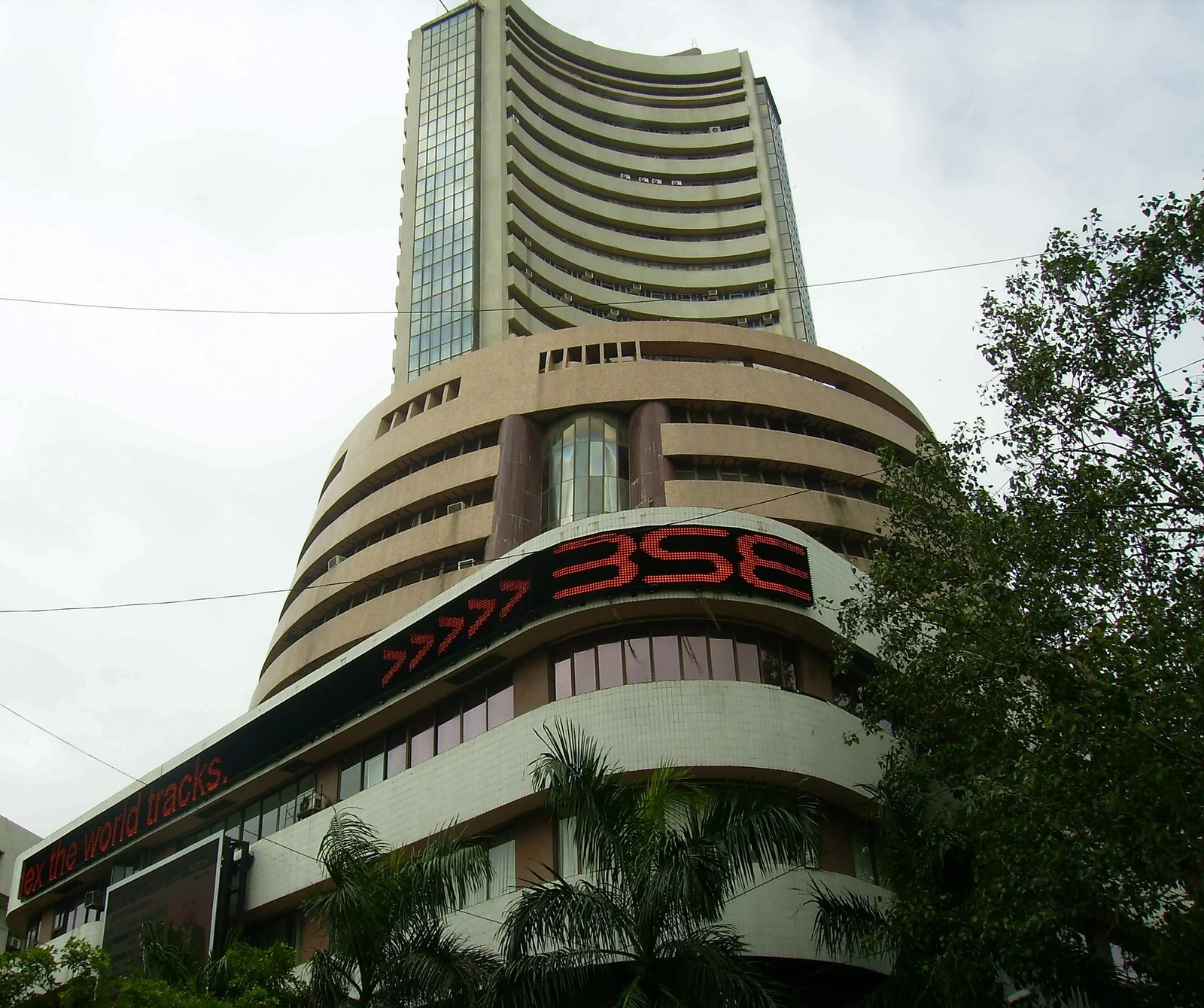
Comments close on 3 October. BSE's daily options turnover was about 26% lower in August, the first month of the new closing auction, than in July. One option adopts a blended settlement price immediately; the other permits a later move if liquidity is sufficient.

ANALYSIS6 min read
FOR INSTITUTIONS

The development.
The mechanism.
The business consequence.

Reporting for teams that need to understand what a policy, market change or company disclosure means for the businesses they follow.

Explore institutional access
EXPLORE OUR COVERAGE9 October 2026 ↗

01Capital & Markets

Explore the sector
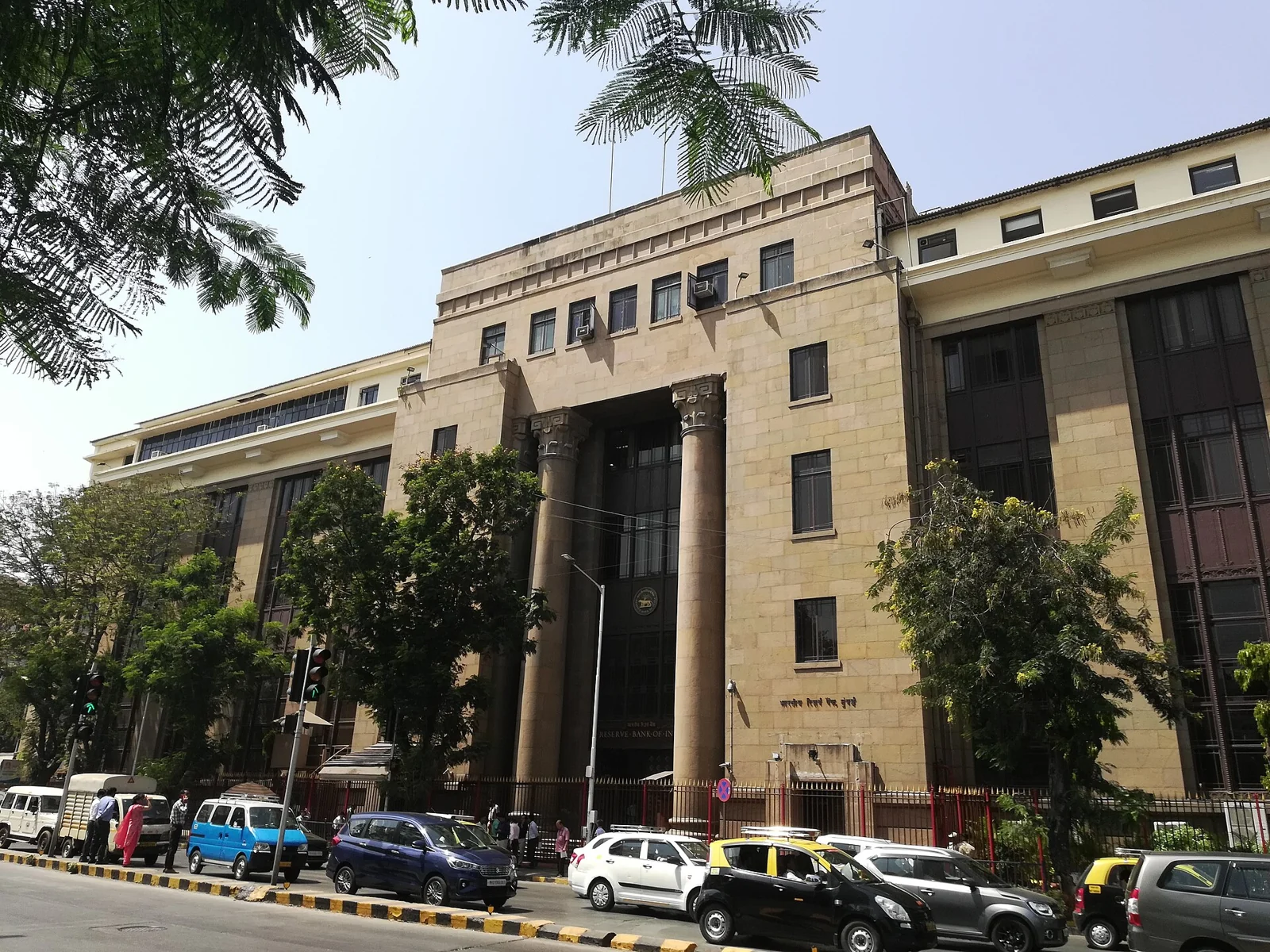
The Reserve Bank of India building in Mumbai, photographed in November 2019.
Photo: Sailko · CC BY 3.0
Currency and reserves

The reserves fall and industry’s hidden import exposure

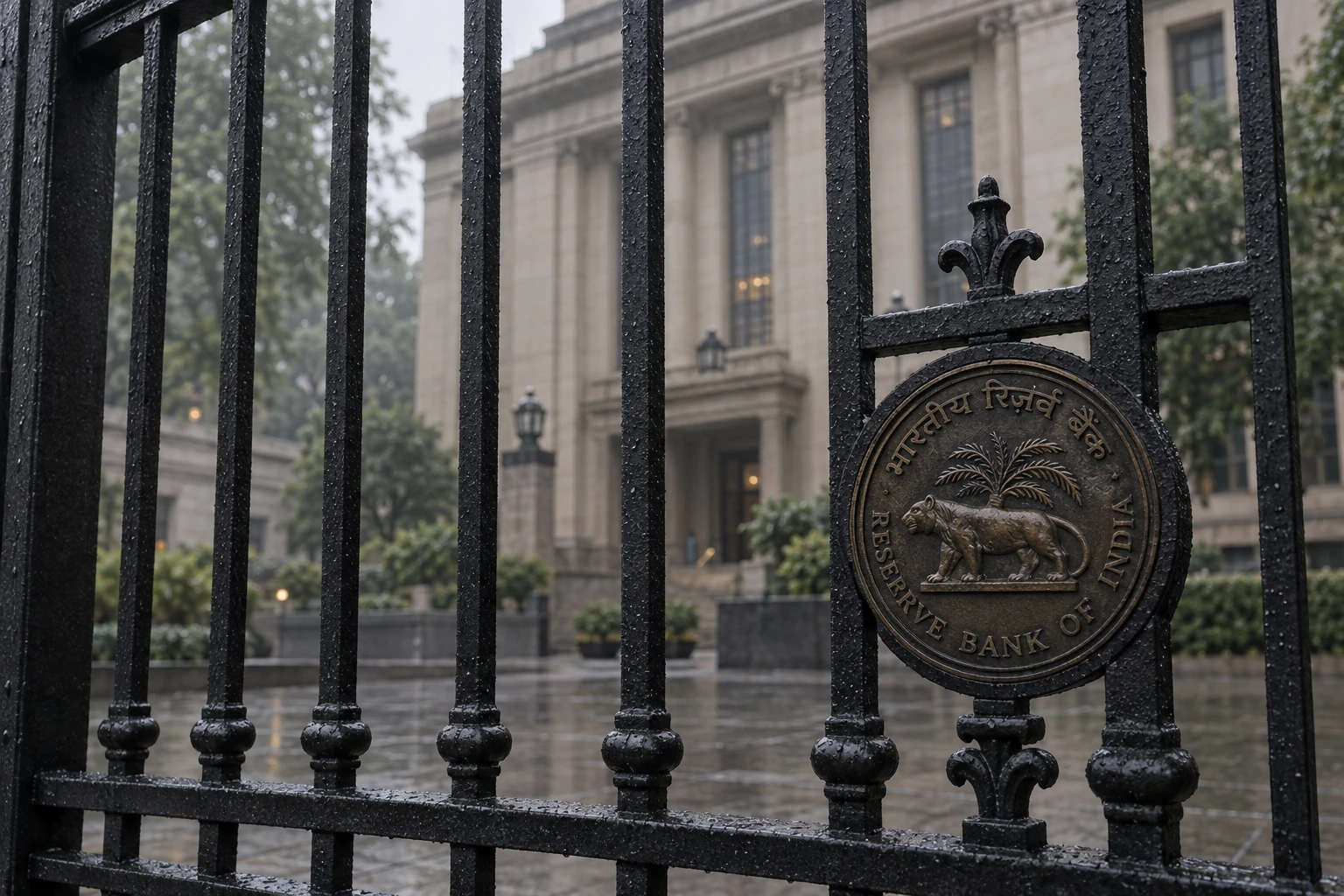
A weaker rupee can squeeze margins through domestic suppliers as well as direct imports. For lenders and investors, the pressure is most consequential where import dependence meets heavy interest bills. The Reserve Bank of India decides on 7 October.

ANALYSIS8 min read
Rates and credit

Two bond sales pulled as one-year money hits 6.18%

The government's one-year rate is the highest since 2 April 2025. Listed companies booked ₹3.5 lakh crore of interest in the four quarters to June, no less than a year earlier despite 1.25 points of rate cuts, and power companies' burden rose. The Reserve Bank of India decides on 7 October.

ANALYSIS8 min read

02Policy & Business

Explore the sector

03Industry & Energy

Explore the sector
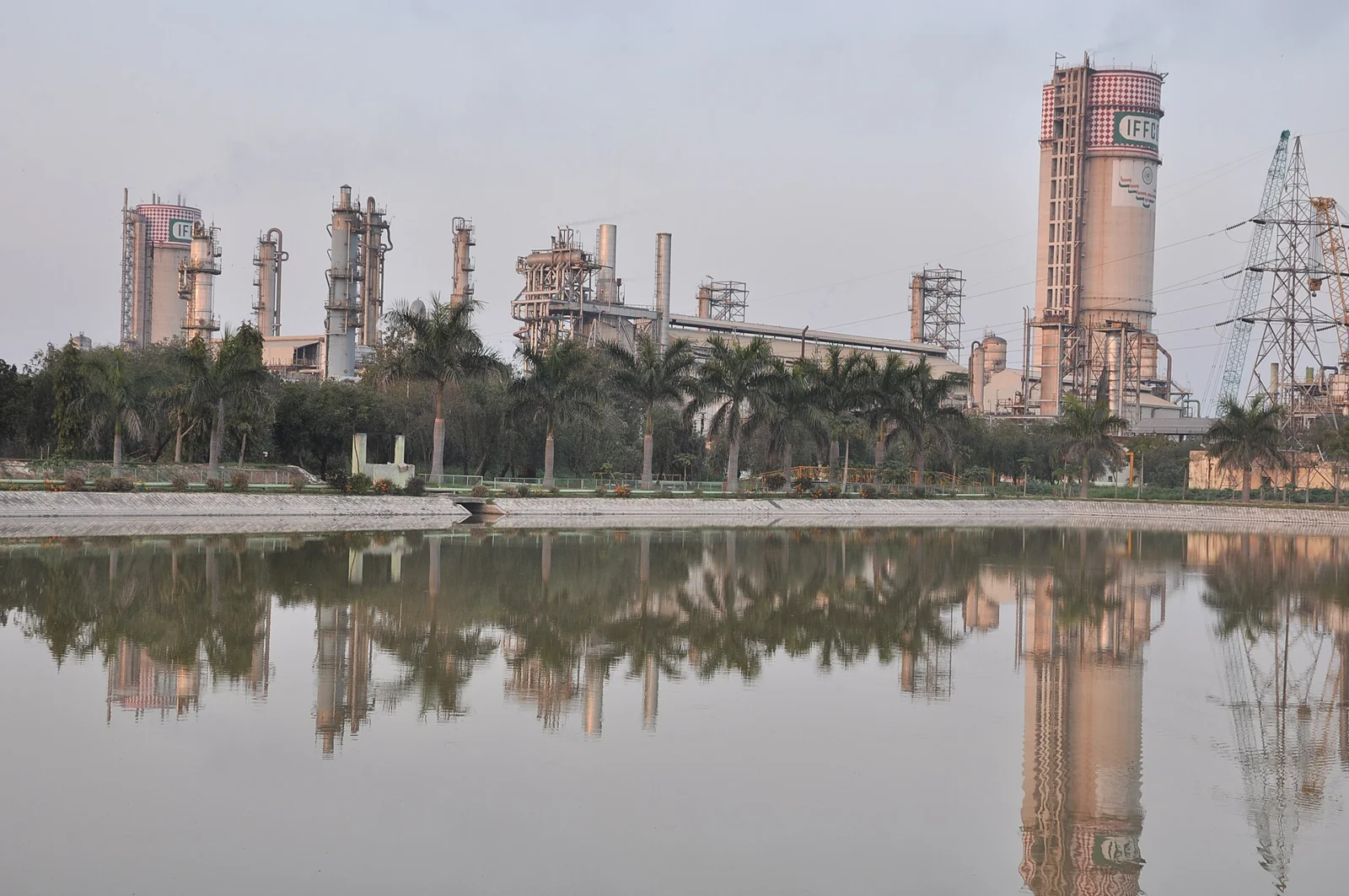
Energy and industrial costs

When captive power serves the grid

An emergency generation order gives industrial companies a second customer for electricity. Fuel, internal demand and dispatch constraints determine whether that customer is profitable.

ANALYSIS3 min read
Agriculture and working capital

A subsidy is not yet cash

Higher support can shield farmers from input inflation. For manufacturers and importers, the production route and the timing of reimbursement remain decisive.

ANALYSIS3 min read

04Consumer & Healthcare

Explore the sector
Healthcare economics

KIMS and the court’s 16% question

KIMS's pharmacy income is at least 48% above the cost of every drug and consumable it used. None of the other eight chains examined shows separately what it bills admitted patients for medicines. The next hearing is on 12 October.

ANALYSIS6 min read
Healthcare economics

Follow the margin to the patient

A proposed limit linking retail price to the retailer’s purchase price would make the distribution chain, and the definition of that purchase price, central to the outcome.

ANALYSIS3 min read
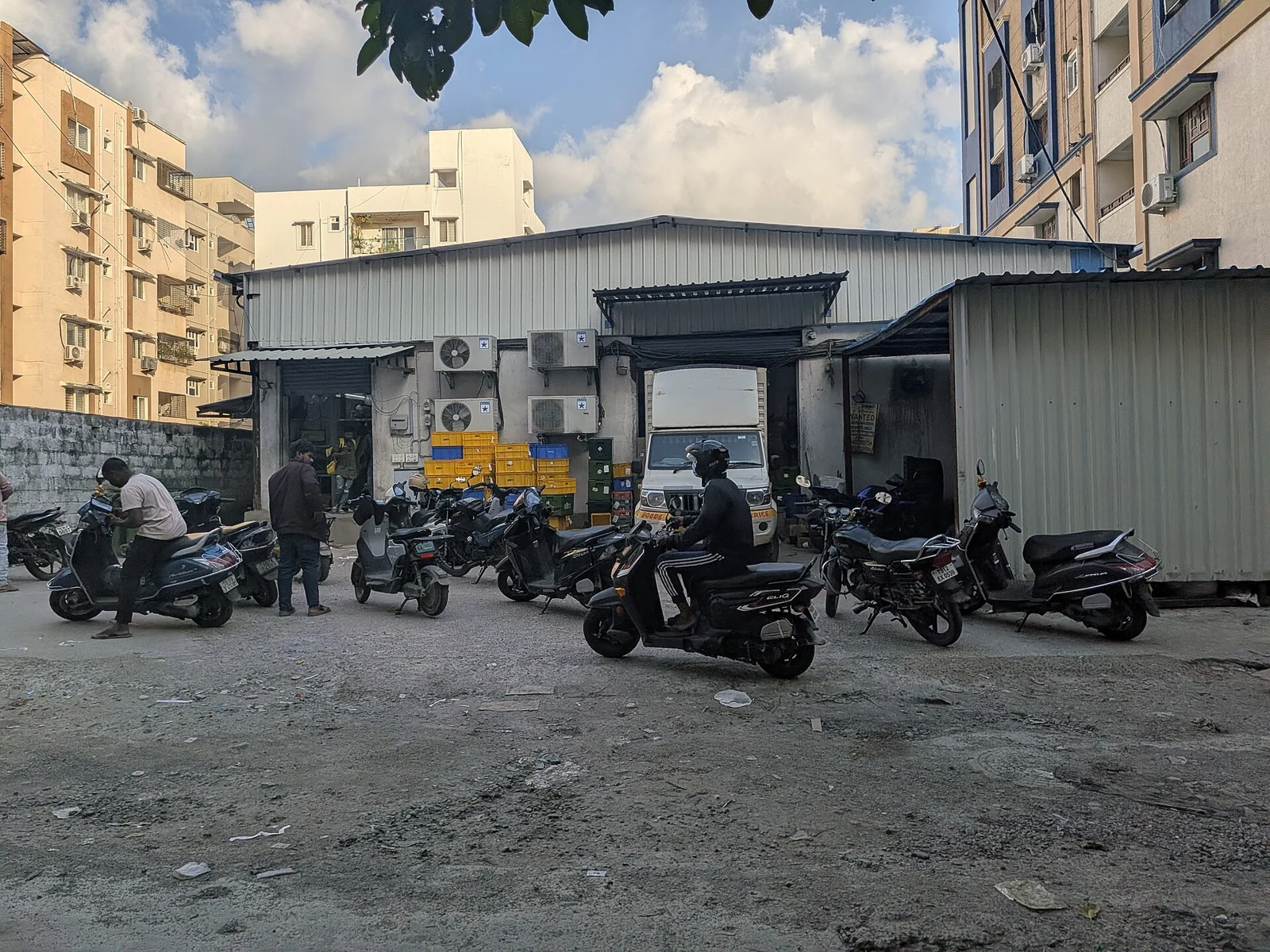
A Blinkit warehouse in Hyderabad’s Hitech City.
Photo: Syced · CC0
Consumer platforms

The licence behind the delivery

Food-safety enforcement turns local operating permission into a question of capacity, fulfilment cost and customer trust.

ANALYSIS3 min read

05Infrastructure

Explore the sector
Construction and cash flow

The cost of a winter pause

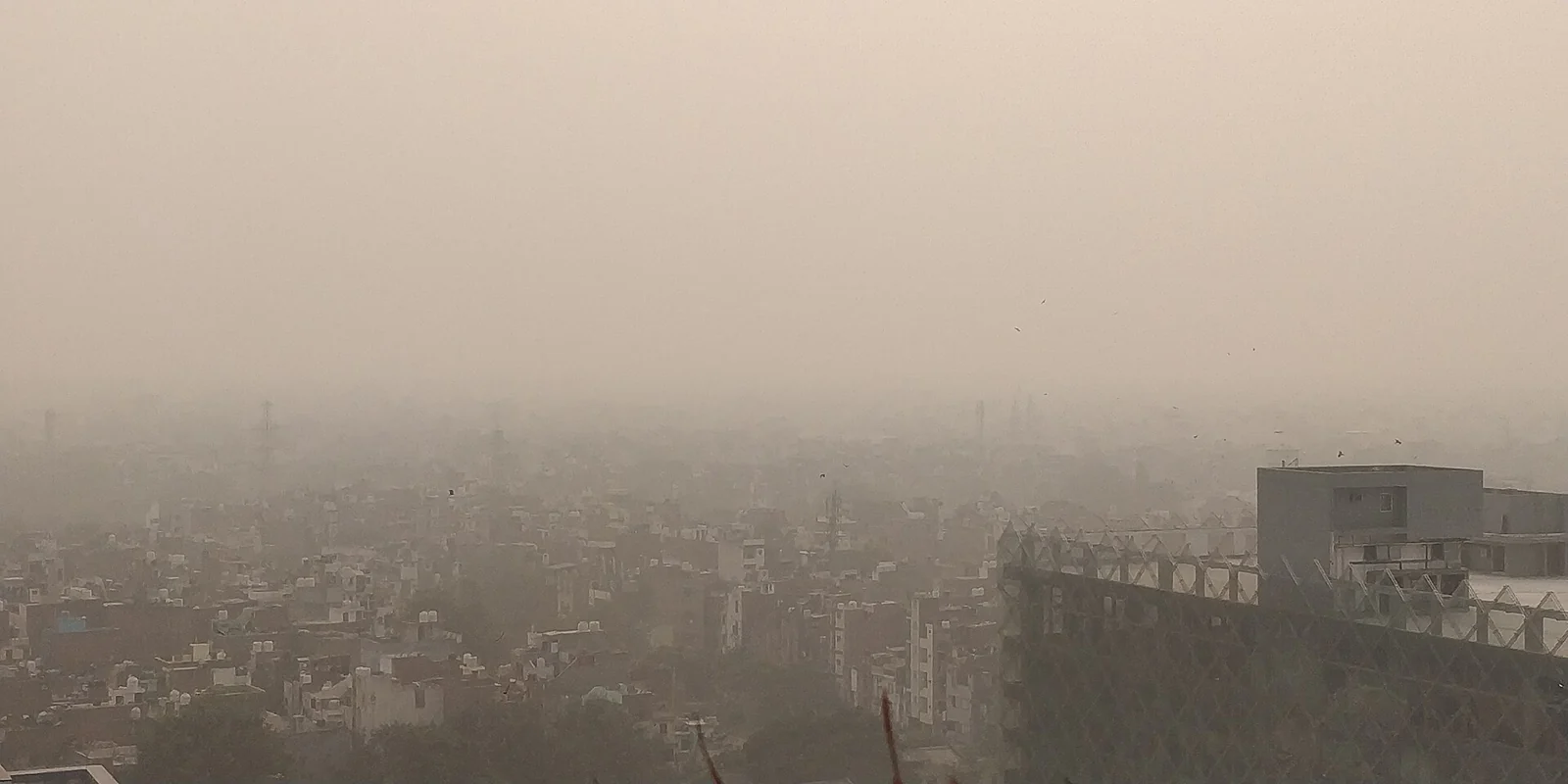
The financial exposure depends on the work scheduled during the restricted period, not simply on whether a company operates in the capital.

ANALYSIS3 min read