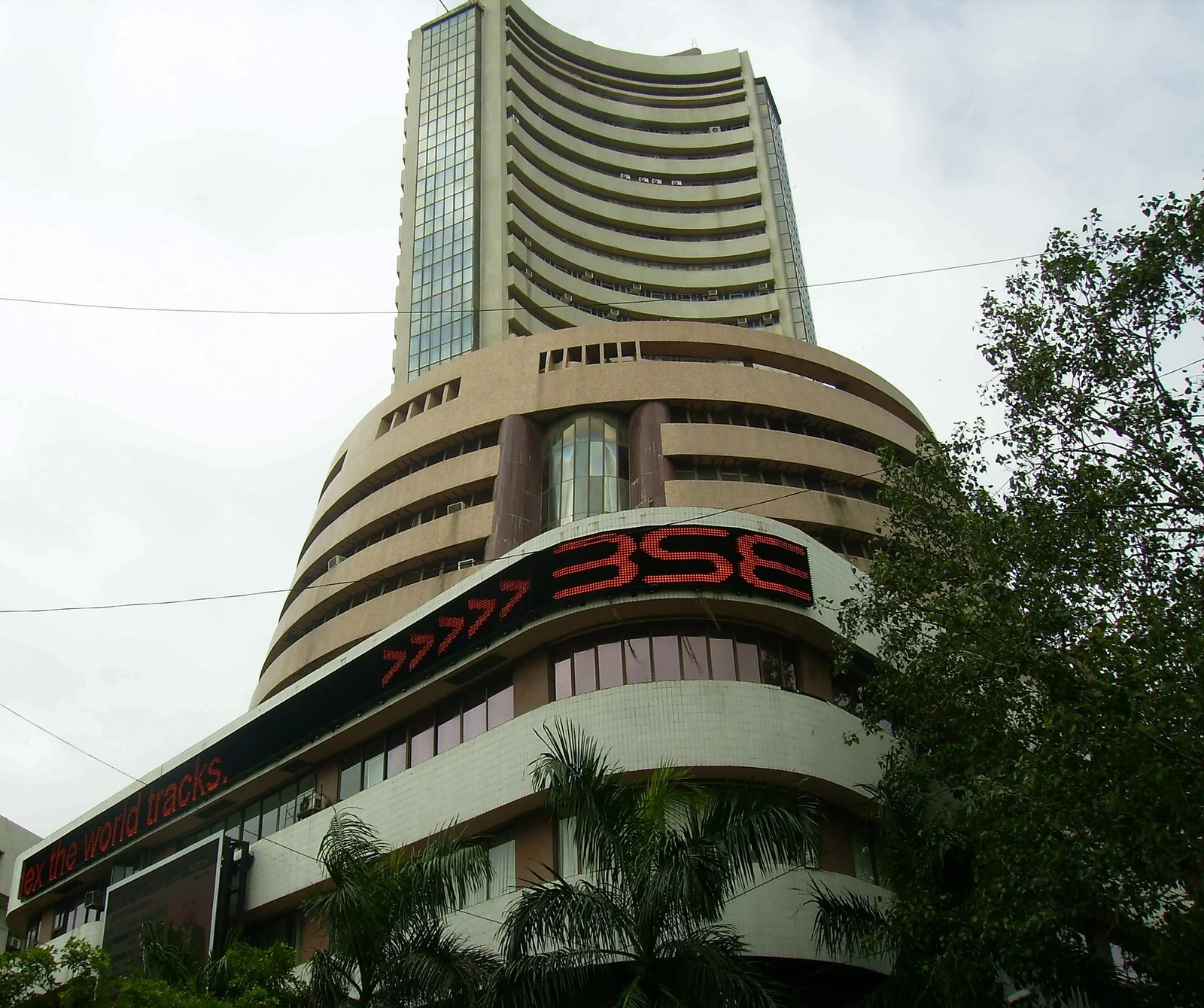
India's market regulator stops taking comments on 3 October on how futures and options are priced at expiry, a choice that bears on BSE, which drew 70% of its operating revenue from fees on such contracts in the year to March.
BSE's transaction charges on equity derivatives were ₹3,134 crore that year, up 121%, out of ₹4,470 crore of operating revenue in its standalone accounts, its annual report shows. In August its daily options premium turnover, the sum paid for options traded, was ₹18,700 crore against ₹25,400 crore in July, by ICICI Securities' count, the Economic Times reported on 9 September.
August was the first month of the closing auction. Since 3 August the closing price of the 213 stocks that have derivatives is set in a 10-minute auction from 3:20 pm rather than by averaging the last half-hour of trades, and contracts expiring that day settle at that price, the Economic Times and Mint reported. The window is a third as long as the old one and busier by the minute: on expiry days in the first month, options premium changed hands at ₹190 crore a minute on NSE and ₹289 crore on BSE during the auction, against ₹126 crore and ₹141 crore a minute in the old half-hour, according to figures in a paper of 12 September from the Securities and Exchange Board of India, or SEBI, that the Economic Times reported.
The paper offers two ways to loosen that link, with different conditions for using a blended price. One settles derivatives at once on a blend of the last 30 minutes of normal trading and the 10 minutes of auction, weighted by what actually trades in each. The other goes back to the half-hour average for at least a year and could then move to the blend if the auction has enough liquidity. SEBI has received about 3,500 responses and wants the changes in place as fast as possible, chairman Tuhin Kanta Pandey said on 24 September, according to the newspaper.
| July | August | September | |
|---|---|---|---|
| NSE accounts trading over ₹10 crore each in equity options | 10,000 | 7,000 | not yet published |
| BSE daily options premium turnover, ₹ crore | 25,400 | 18,700 | not yet published |
| Angel One: orders, crore | 13.47 | 10.95 | not yet filed |
| Angel One: average daily turnover in futures and options, notional, ₹ lakh crore | 46.9 | 38.4 | not yet filed |
| Arbitrage funds: net inflow, ₹ crore | 6,502 | 3,789 | not yet published |
The month before the auction and the two since. Sources: NSE data reported by Mint; ICICI Securities, reported by the Economic Times; Angel One's filing; the Association of Mutual Funds in India.
Brokers stand behind the exchange. Broking of all kinds brought Billionbrains Garage Ventures, which runs Groww, 81% of its operating revenue in the year to March and Angel One 60%; brokerage and fees were 48% at Motilal Oswal Financial Services.
| Company, year to March 2026 | Operating revenue, ₹ crore | Line tied to trading | ₹ crore | Share of operating revenue |
|---|---|---|---|---|
| BSE | 4,470 | Transaction charges, equity derivatives | 3,134 | 70% |
| Billionbrains Garage Ventures (Groww) | 4,645 | Broking income | 3,773 | 81% |
| Angel One | 5,137 | Brokerage | 3,078 | 60% |
| Motilal Oswal Financial Services | 4,759 | Brokerage and fees | 2,300 | 48% |
| Central Depository Services | 1,145 | Transaction charges | 240 | 21% |
Two kinds of funds have money riding on the mechanics. Index funds and exchange-traded funds, with ₹10.69 lakh crore of equity assets at the end of August in the Association of Mutual Funds in India's data, are valued at closing prices, which the auction now sets. Arbitrage funds, with ₹3.02 lakh crore, hold shares against futures; for positions carried to expiry they need to sell the shares at the price the futures settle at. Under the blend no weight is set in advance, so by Kiwaro's reasoning such a fund cannot know exactly how much to sell in each window. The same was true, less sharply, minute by minute within the old half-hour.
The auction is thin on ordinary days and heavy on index days: about $128 million changes hands on a normal day, and ₹39,718 crore did on 31 August, when changes to MSCI's share indexes took effect, Business Standard reported.
SEBI has already acted on the auction itself. In August it barred Copthall Mauritius Investment, a JPMorgan unit, and Mansi Share and Stock Broking from the market over alleged manipulation of the Sensex in BSE's auction on the 13 August expiry, and directed them to deposit ₹2.9 crore and ₹71.6 lakh of alleged unlawful gains, the Economic Times reported. The wider ban was lifted once they paid; both remain barred from the auction, and the investigation continues. Separately it has let arbitrage funds leave as much as 1% of their plans unhedged, people familiar with the matter told the Economic Times, to bring them into the auction.
Still, none of this measures whether, or how much, the auction caused the falls in the table. A Mint headline of 18 September put the Reserve Bank of India's curbs on funding for proprietary traders, firms that trade their own money, beside the auction as a reason for their lower volumes. Foreign investors' positions point the other way: between 28 August and 1 October their open index-futures contracts rose 39% and their open index-options contracts 28%, while their open stock-futures contracts were 1% lower, the daily figures of National Securities Depository Ltd show. And SEBI is not reconsidering the auction. "Having successfully established the Closing Auction Session as an important market structure reform, we intend to address concerns in respect of settlement price for derivatives on expiry days," Pandey said on 22 September, the Economic Times reported.
| Date | Development |
|---|---|
| 24 September | SEBI's chairman says about 3,500 responses have come in and the regulator wants changes in place as fast as possible |
| 16 September | Arbitrage funds reported to be allowed 1% unhedged |
| 12 September | SEBI's paper sets out two ways to settle derivatives at expiry |
| 31 August | ₹39,718 crore passes through NSE's auction on the day MSCI's index changes take effect |
| August | SEBI bars a JPMorgan unit and a broker over the 13 August auction on BSE |
| 3 August | The closing auction begins for 213 stocks |
The story so far, newest first. Sources: the Economic Times, Business Standard, Mint.
What to watch
| Date | What happens |
|---|---|
| 3 October | comments on SEBI's paper close. |
Data note: Company figures are from annual reports for the year to March 2026: BSE's are standalone and the others on group accounts, and the brokers' lines cover all broking, not derivatives alone. Fund assets are totals at the end of August, not the amounts that trade at any one close; foreign investors' positions are held only from 28 August, after the auction began. Auction turnover, account counts, BSE's monthly turnover and the terms of SEBI's paper and order are as reported by the outlets named.