Luiz Inácio Lula da Silva did on Sunday what no candidate had managed since Brazil restored direct presidential elections in 1989. He trailed after the first round and won the runoff anyway, taking about 51.8% of the vote to Flávio Bolsonaro’s 48.2%, a margin of roughly 4.4 million votes. On 4 October he had finished second, 45.2% to 47.0%.
For most of Sunday evening the count belonged to Bolsonaro. Then the Northeast, Lula’s home region, reported, and in the second half of the tally it made up the difference, with the North behind it. The polls had pointed the other way, with Datafolha showing Bolsonaro ahead in the runoff.
The arithmetic of the comeback was turnout. First-round abstention reached 21.08%, about 700,000 more people staying at home than in 2022. The president spent the three weeks between rounds going after them, with a message on the cost of living and on the social programmes his voters rely on, and with every lever the state could pull before a vote. On Sunday, fewer stayed at home.
Bolsonaro, running in place of a father barred from office, did not concede.
Markets had bet on the other result. When Bolsonaro led the first round, the real strengthened and São Paulo’s Ibovespa climbed to record highs, market reports show. On Monday, Brazil’s markets were braced for a rout, emerging-market stocks fell, and soybeans slid to a two-month low as his win lifted the outlook for trade with China. He returns with inflation already through the top of the central bank’s target range.
He turns 81 on Tuesday. His fourth term, a record, begins on 5 January 2027 and runs to January 2031, by which time he will have governed Brazil for 16 years.
A partner New Delhi knows
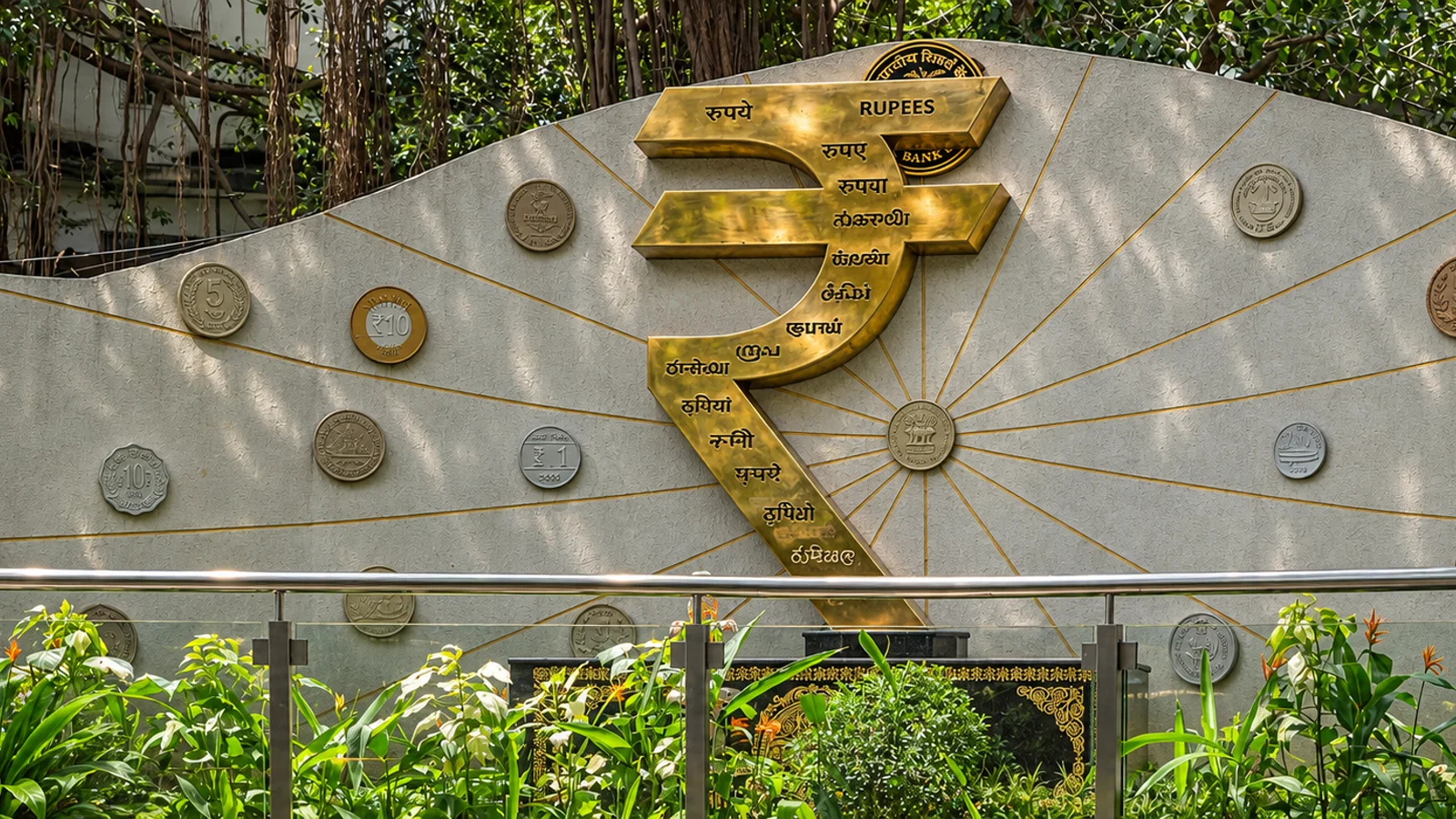
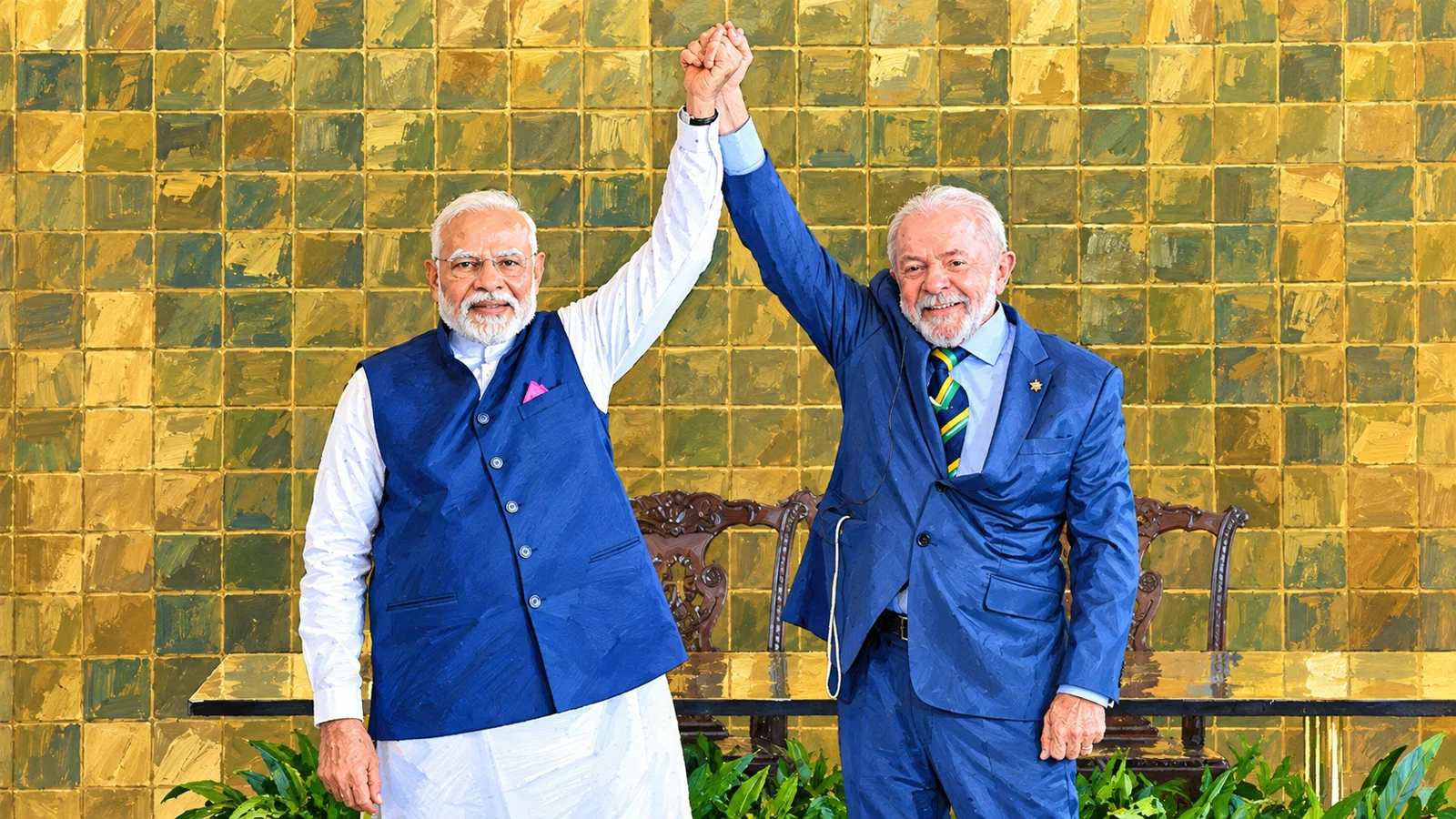
For India, Sunday’s result keeps a familiar counterpart in Brasília. Lula was the chief guest at India’s Republic Day parade in 2004, a year into his first term, and the two countries became strategic partners in 2006. Narendra Modi made a state visit to Brasília last year; in February Lula made his sixth visit to India.
The trade record follows his terms closely. In 2003, his first year in office, the two countries traded goods worth $0.70 billion. By 2010, his last, the figure was $6.89 billion, almost 10 times as much. Under his successors it reached $12.69 billion in 2014, fell by more than half, to $5.92 billion, by 2016, and recovered to $16.29 billion in 2022. Back in office, he presides over a high: India’s own count puts trade in the 12 months to August at $19.36 billion, more than in any calendar year on record.
The goods have changed with the numbers. In 2010 India’s exports to Brazil were larger than its imports. Now India imports $11.93 billion a year from Brazil and exports $7.42 billion. Oil is 44.5% of India’s imports from Brazil, most of it crude, followed by copper and iron ore, crude soybean oil and cane sugar. What goes back is chemicals, diesel and jet fuel, crop protection for Brazil’s farms, vehicle parts, machinery and medicines.
That makes Brazil a supplier of what India is short of, from fuel and cooking oil to metal ores and, in lean years, sugar, and a customer for the industries India wants to export from. It is a larger relationship than the one Lula left in 2010, and one tilted toward India’s energy and food bills.
What the market prices, and what it misses
Investors looking for a Brazil trade in Indian shares will find less than the trade figures suggest. Our analysis of more than two decades of monthly prices found no Indian share that has followed Brazil’s trade, its currency or its main commodities with a lag. Where the links exist, such as India’s sugar mills and the world sugar price that Brazil’s harvest sets, or the Nifty and the real when emerging markets fall together, they show up in the same month. Indian shares have not moved in any consistent way after Brazil’s 13 election days since 2002.
Brazil reaches India through the prices of what it sells, and those are traded the day they move. The slower channel is the one politics controls: how much the two countries trade, and on what terms.
Still, that channel is narrow. The preferential trade agreement between India and the Mercosur bloc has been in force since June 2009 and covers only about 450 tariff lines on each side, and the two sides have moved this year to widen it. In Brasília at the end of August trade officials of both governments reaffirmed a target of $30 billion of trade by 2030, 55% more than the last 12 months. Lula’s earlier terms are when the relationship grew fastest; his fourth begins with the target on paper and the agreement not yet widened.
The fight is not over
The first test is in Brazil’s courts. Bolsonaro has called for the election to be annulled. Both campaigns had already asked the electoral court before the runoff to strike out the other’s candidacy: Bolsonaro over government messaging on WhatsApp, Lula’s side over Bolsonaro’s appearance at a rodeo. The precedent is against him. In 2022 the electoral court rejected his father’s party’s petition to void votes, called it "ludicrous and illicit", and fined his father’s coalition 22.9 million reais.
The country is split almost exactly as the result: 51.8% to 48.2%. The markets give their verdict when São Paulo opens, and the record set on Bolsonaro’s first-round lead is the gain now at risk.
In New Delhi, the reaction to watch is the Prime Minister’s. When Lula beat Jair Bolsonaro in 2022, Modi’s congratulations came the next day. Eight months after Lula’s state visit, with a $30 billion target to deliver and a trade agreement to widen, India has reason to be quick again.
Lula turns 81 on Tuesday. He is sworn in for the fourth time on 5 January 2027.
Correction, 26 October 2026: an earlier version gave trade figures that did not match India’s official statistics: $17.53 billion for the 12 months to August, imports of $10.81 billion and exports of $6.73 billion, oil at 46.5% of imports, and totals of $0.64 billion for 2003, $6.91 billion for 2010, $12.51 billion for 2014 and $5.91 billion for 2016. It also gave the first round before the final count, said the target was 71% above current trade, said the fine fell on the party rather than its coalition, and reported a two-hour extension of voting, an Ibovespa record of 208,778 points and figures for the Northeast and the last poll that we could not confirm. The headline said the comeback was a first since 1989; it is the first in any Brazilian presidential runoff.