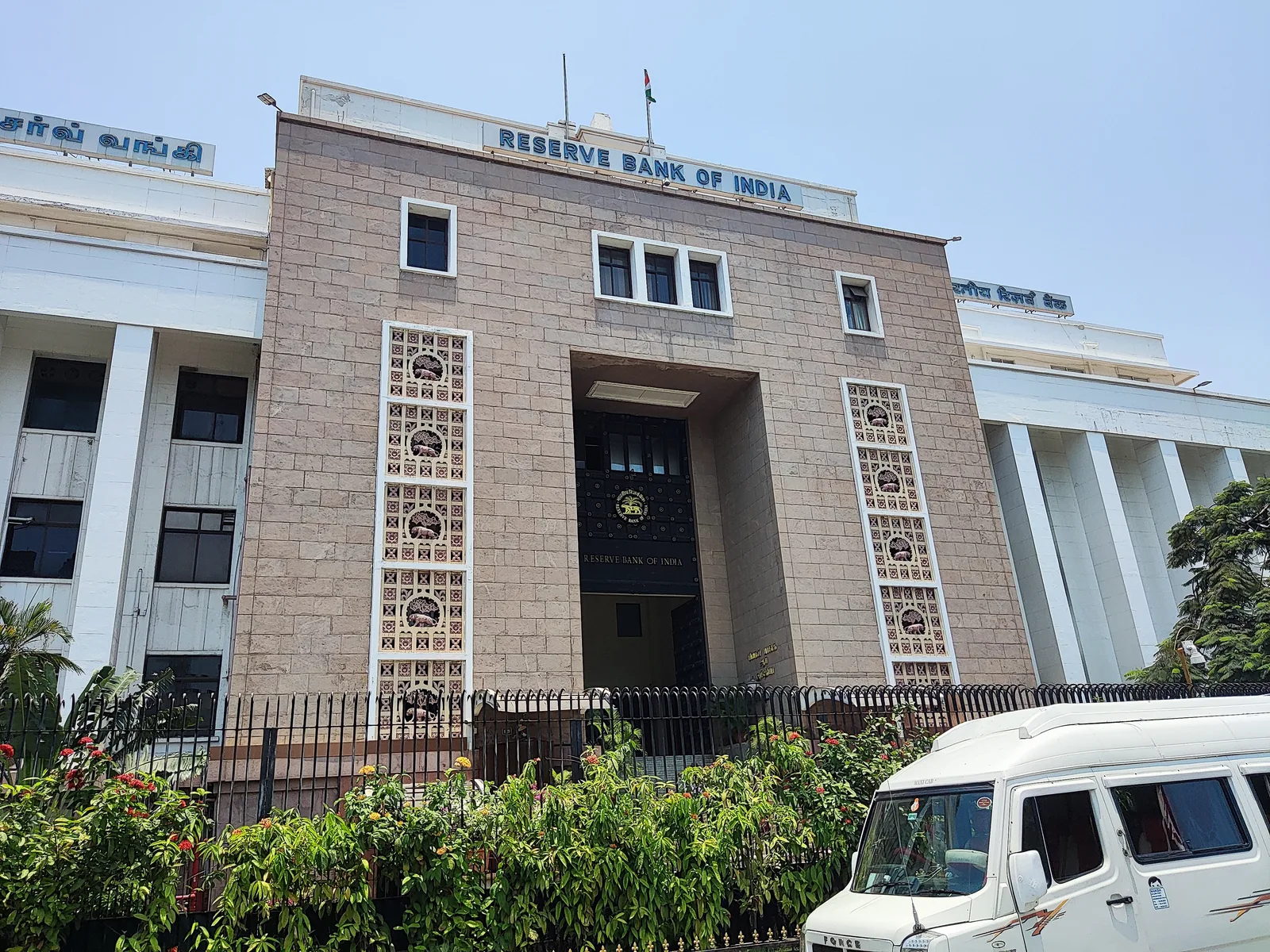
India’s state-run oil refiners will stop buying their dollars in the market and get them from the central bank instead, as the Reserve Bank of India tightens the rules for everyone else who hedges the rupee.
The refiners’ window and three new hedging rules were reported on 10 October by Business Standard, The Economic Times and Mint. Together they take a steady buyer of dollars out of the market and narrow the room to hold a rupee contract with no debt or cargo behind it.
The numbers
$734.6 billion. Reserves on 2 October, down $51.1 billion in four weeks from a record $785.7 billion.
₹95.99. The rupee’s reference rate to the dollar on 1 October, 1.2% weaker than on 1 September.
4.31%. What three-month forward cover cost, at an annual rate, on 1 October. It was 2.74% a month earlier. Twelve-month cover cost 3.29%.
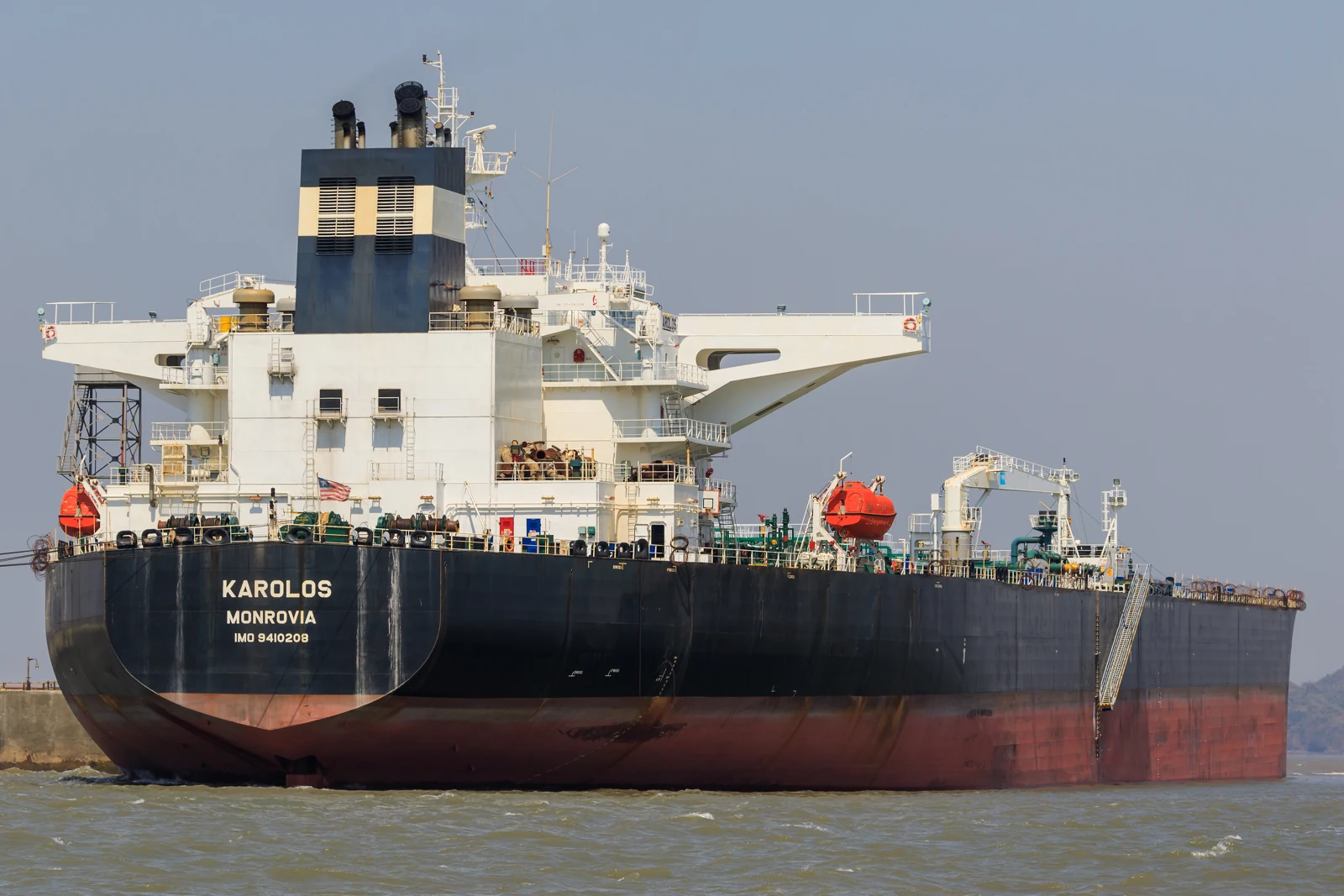
$15.8 billion a month. India’s crude oil bill from April to July, for every refiner. It is the outer bound of what the window takes off the market.
$5 million. What a company may now hedge without establishing the exposure, down from $100 million, as Business Standard and The Economic Times describe it. Mint describes the same line as a limit on positions in exchange-traded contracts.
20%. The reserve a dealer must now hold against each eligible rupee contract above $2 million. And a contract once cancelled can no longer be rebooked, The Economic Times reported.
Our read
Kiwaro’s read is that the strain had moved from the spot rate to the price of cover before these rules came. Through September the reference rate weakened 1.2%, while three-month cover rose by 1.57 percentage points and became dearer than twelve-month cover, which a month earlier had cost more. Our latest reading is for 1 October. The rules came after it.
Who is in line, in order
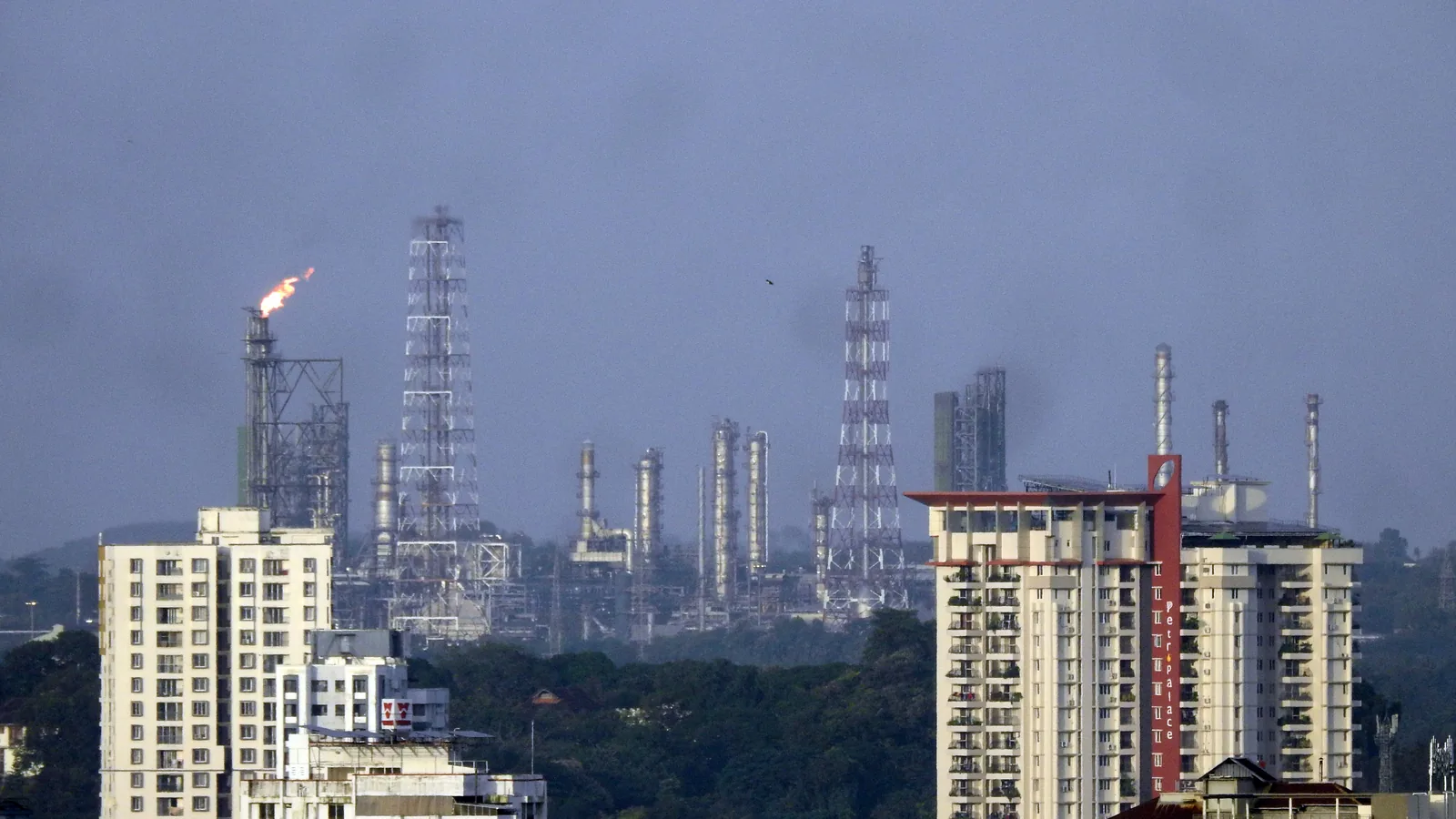
First, the refiners. Crude oil is 66% of Indian Oil Corp.’s costs and 71% of Hindustan Petroleum Corp.’s, by Kiwaro’s map of costs. Indian Oil is the 11th-largest of the 4,246 companies with foreign-currency loans running in the RBI’s register, HPCL the 22nd and Mangalore Refinery and Petrochemicals the 37th. Bharat Petroleum Corp. has none running in it. Indian Oil’s next repayment falls in November 2026.
Second, the companies that owe abroad. 2,358 of them owe more than $2 million, the size from which the dealer’s reserve applies. 1,607 owe more than $5 million. Of those, 1,311 owe $100 million or less: until now they could hedge all of it without showing the debt. They carry 12.0% of what is owed; the 296 above $100 million carry 86.5%. And 42% of all that is owed falls due by March 2029.
Third, the companies on both lists. Thirty listed companies are in the top quarter by the share of crude in their costs and also owe in foreign currency. Reliance Industries, Indian Oil, HPCL, Mangalore Refinery, JSW Steel and Adani Ports are among them. Together they carry 34.1% of listed companies’ foreign-currency debt, by Kiwaro’s count.
Still, for most of the money the proof rule changes little: the 296 largest borrowers, with 86.5% of the debt, already had to show the exposure for whatever they hedged beyond $100 million. And the window does not shrink the crude bill. It changes who sells the dollars.
Data note: reserves, the reference rate and forward premia are published figures of the RBI and the benchmark administrator; the crude bill is the trade ministry’s; loan counts, cost shares and the crossing of the two lists are Kiwaro’s. The rules are as the three outlets reported them; the RBI’s Directions are not in our store.
Institutional perspective: the next reading of the reserves, for the week to 9 October, is due on 16 October.