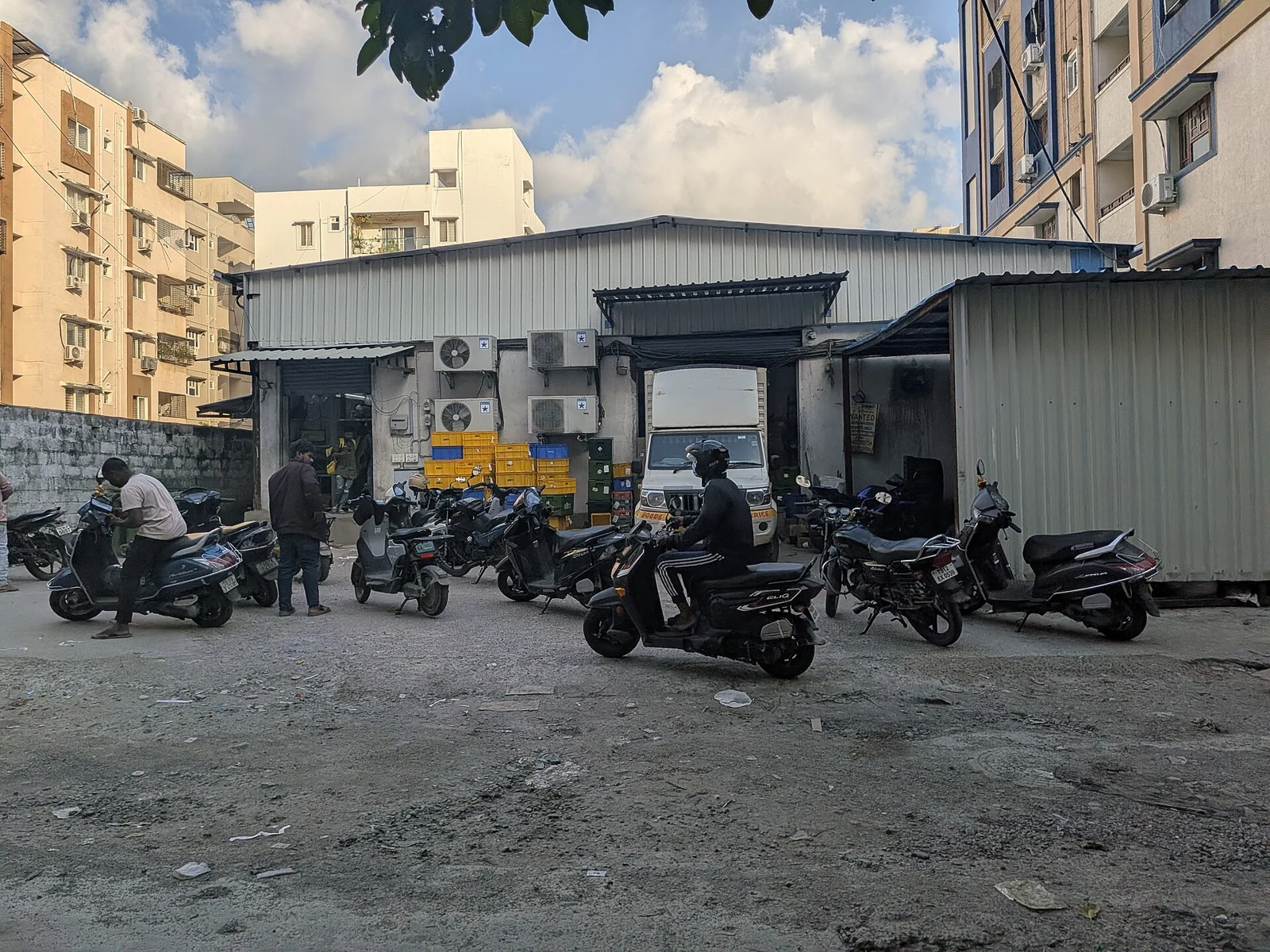
A quick-commerce customer sees the application and the delivery time. Behind both is a nearby facility with stock, refrigeration, workers and permission to operate. When that permission is suspended, the disruption belongs to a physical network, even though the order arrived through software.
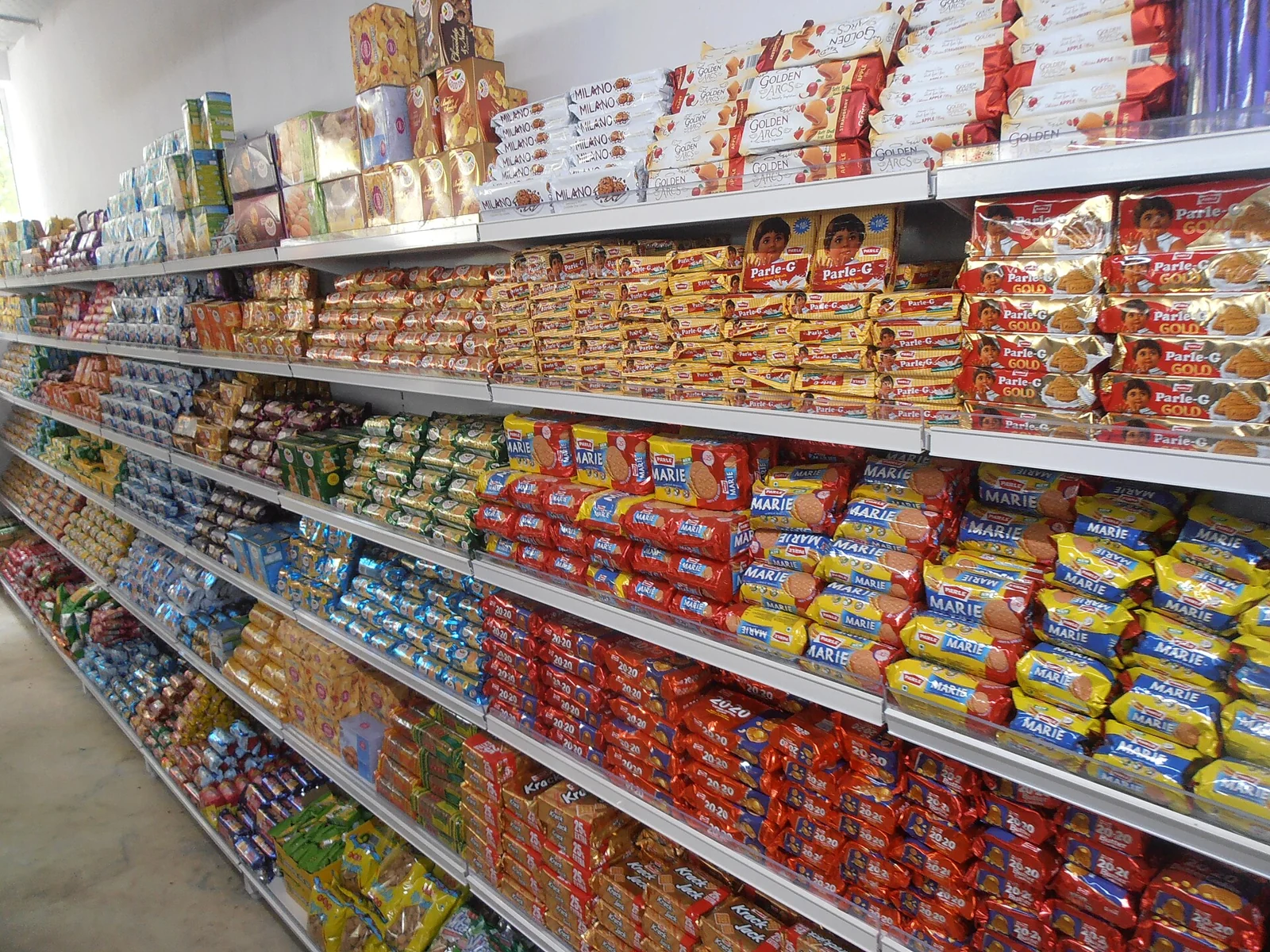
Telangana food-safety teams inspected 16 dark stores and suspended four licences, The Economic Times reported on October 1. The report named facilities operated by Swiggy Instamart, Flipkart and Zepto and attributed findings including expired inventory, pest infestation and storage deficiencies to TG SAFE. The affected establishments were ordered to halt operations. These were site-level actions and reported regulatory findings, not a platform-wide operating ban. Report of the inspections
The four suspensions cannot be extrapolated into a failure rate for all dark stores. The inspections were an enforcement exercise, not a demonstrated random sample of the industry. The report did not include responses from the named operators.
An idle site can still consume cash
At an affected facility, rent and some employment costs may continue while order fulfilment stops. Perishable goods create a separate question about disposal, returns and write-downs. Remediation and reinspection can add costs before permission to resume is secured. The available report does not quantify any operator’s lost sales or losses from these items.
The network may be able to redirect demand to another store. That can preserve revenue, but only if the alternative has the stock, picking capacity and delivery reach. A longer route or a more congested facility may change fulfilment cost and service quality. Where there is little spare capacity, sales can be lost rather than redistributed.
This is why the count of suspended sites is an incomplete financial measure. A small number of facilities in dense, high-demand locations could matter more than a larger number serving thinner catchments. Duration also matters: an interruption lasting days has different consequences from one that persists through a major sales period.
For investors, the relevant unit is the affected catchment and its available substitute capacity. Platform-wide order value should not be multiplied by the fraction of inspected stores that lost licences. That would mix an enforcement sample with a revenue denominator it does not represent.
There is a strategic consequence as well. Investment in inventory control, temperature monitoring, cleaning and traceable handling can protect the continuity of a network. If it reduces closure risk, spoilage and customer complaints, it has an economic return beyond meeting a regulatory requirement. That return must be demonstrated through operating performance, not presumed from the existence of a compliance system.
The story’s next useful evidence is whether the suspended facilities regain permission, what remediation the authorities require and how service in the affected areas changes. Broader state enforcement would be a separate development requiring its own site-level facts.
Fast delivery is produced by dependable local operations. The companies that can keep those operations safe and available may have a more durable advantage than the application interface alone suggests.